
Introduction
React Native has become a leading solution for building cross-platform applications that are highly scalable, performant, and maintainable. For gaming studios and XR developers, following React Native architecture best practices is essential to ensure apps like multiplayer dashboards, companion apps, and immersive XR interfaces perform seamlessly across devices. Implementing these best practices improves app responsiveness and reduces latency in real-time multiplayer environments, which is critical for competitive gaming.
Without proper architecture, React Native apps can experience performance bottlenecks, code complexity, and delayed feature releases, all of which negatively affect player experience. Adopting React Native architecture best practices ensures that development teams can scale applications efficiently, maintain clean modular code, and deliver low-latency experiences reliably.
What Is React Native Architecture?
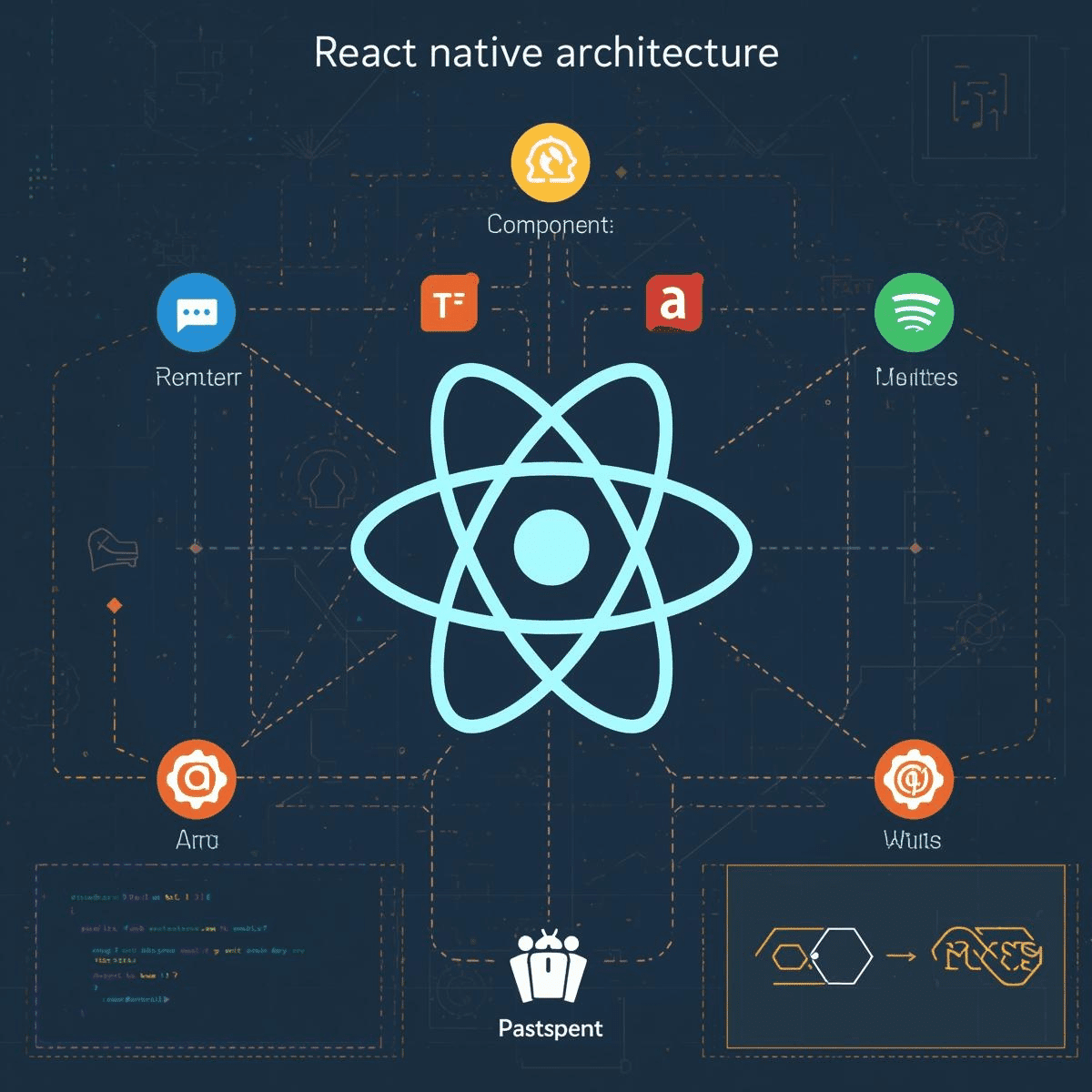
Understanding React Native architecture is critical for studios building real-time gaming apps and XR dashboards. React Native allows developers to write JavaScript code that communicates with native components via a bridge, enabling apps to run on iOS and Android with near-native performance.
Core Components of React Native
- JavaScript Engine: Executes business logic and manages UI updates.
- Native Modules: Access platform-specific functionality such as cameras, sensors, or AR/VR frameworks.
- Bridge: Facilitates communication between JavaScript and native layers. Efficient usage is vital for apps with high-frequency multiplayer updates.
React Native architecture supports separation of concerns, allowing developers to isolate UI, state management, and backend communication. A well-structured architecture facilitates modular development, meaning new features can be added without compromising app stability. React Native architecture best practices also emphasise code reusability across different modules, which is especially valuable for apps with multiple interactive dashboards.
Following these best practices helps studios optimise memory usage, reduce latency, and increase maintainability, all of which are essential for real-time multiplayer dashboards and immersive XR applications.
Summary Box:
A structured React Native architecture ensures smooth gameplay interfaces, lower latency, and maintainable code, enabling gaming studios to deliver high-performance apps efficiently.
Best Practices for React Native Architecture
1. Modular Folder Structure
Organising code by feature rather than type enables scalability and maintainability. A feature-based structure improves developer collaboration, reduces merge conflicts, and simplifies testing.
Example structure:
/features
/Multiplayer
/components
/services
/XR
/components
/services
/screens
/utils
Using a modular folder structure is considered a React Native architecture best practice because it allows teams to scale projects efficiently, avoids dependency conflicts, and reduces debugging time for complex multiplayer or XR modules. It also speeds up onboarding for new developers and ensures that updates and feature additions do not compromise existing functionality.
2. State Management Optimisation
Effective state management is vital for apps handling real-time game updates. Popular libraries include:
- Redux – Best for complex global state management.
- Zustand – Lightweight and ideal for high-frequency updates.
- Recoil – Offers fine-grained control for reactive UI elements.
Best practices:
- Keep state updates localised to prevent unnecessary re-renders.
- Use selectors or hooks to access only the data a component needs.
- Minimise global state usage in multiplayer dashboards and XR interfaces.
Proper state management ensures that React Native applications remain performant, even when handling high-volume multiplayer updates, real-time notifications, or interactive XR features.
3. Performance Optimisation
Performance is critical for competitive gaming and XR applications. Techniques include:
- Lazy Loading: Load components only when necessary to reduce initial render time.
- Memoisation: Use memo and useMemo to prevent unnecessary re-renders.
- Bridge Optimisation: Minimise communication between JS and native layers for real-time multiplayer updates.
- Asset Optimisation: Compress images, videos, and 3D models to improve load times and reduce memory usage.
- Batch Updates: Handle multiple state changes efficiently to prevent UI lag.
Adhering to these React Native architecture best practices ensures smooth, low-latency experiences for users, even in highly interactive XR applications or live multiplayer dashboards.
4. Testing & Continuous Integration (CI/CD)
Automated testing and CI/CD pipelines are essential to maintain app stability.
- Write unit tests for each component and module.
- Conduct integration tests to verify interactions between modules.
- Automate deployments for iOS and Android to ensure consistent delivery.
Testing guarantees that React Native apps can reliably handle multiplayer data streams and XR rendering without crashes. Implementing CI/CD pipelines is a React Native architecture best practice for studios that regularly release updates.
Summary Box:
Implementing modular, optimised, and testable React Native architecture reduces bugs, improves performance, and accelerates release cycles for gaming and XR applications.
React Native in Multiplayer & XR Applications
Multiplayer Dashboards
React Native is ideal for real-time multiplayer dashboards that display live scores, leaderboards, and match updates. Following React Native architecture best practices, including optimised rendering, memoisation, and throttling, ensures minimal latency under high-frequency server updates.
- Lightweight, reusable components prevent unnecessary re-renders.
- Efficient bridge usage reduces lag between JS and native modules.
- Data batching and throttling improve real-time responsiveness.
These practices ensure dashboards remain smooth, interactive, and reliable, which is essential for competitive gaming studios.
XR & Immersive Interfaces
React Native supports immersive XR interfaces, including AR/VR control panels and companion apps.
- High frame rates prevent motion sickness in XR environments.
- Optimised 3D assets and compressed media improve rendering speed.
- Integration with Unity or Unreal Engine backends enables real-time updates.
Adhering to React Native architecture best practices allows studios to build XR apps that are responsive, low-latency, and scalable, enhancing player engagement.
Summary Box:
React Native can power both multiplayer dashboards and XR interfaces when designed with performance, modularity, and scalability in mind.
Common Mistakes to Avoid in React Native Architecture
Even experienced teams can make mistakes that impact performance, scalability, and maintainability. Recognising and avoiding these errors is critical for high-performance multiplayer dashboards and XR applications.
- Monolithic Components: Large, unorganised components are hard to maintain, slow to render, and difficult to reuse. Splitting them into modular pieces following React Native architecture best practices improves readability and enables parallel development.
- Excessive Global State: Overusing global state triggers unnecessary re-renders, causing lag in real-time multiplayer dashboards. Proper state management using Redux, Zustand, or Recoil ensures updates are localised, improving performance.
- Ignoring Native Optimisations: Native modules optimise heavy computations or graphics. Neglecting them can increase latency and reduce frame rates in multiplayer or XR apps, affecting user experience.
- Poor Asset Management: Using unoptimised images, videos, or 3D models increases load times, memory usage, and crashes. Asset optimisation via lazy loading, compression, and caching is critical for smooth XR and multiplayer experiences.
- Skipping Testing: Insufficient testing allows bugs to reach production, causing crashes or erratic behaviour in multiplayer and XR systems. Automated testing and CI/CD pipelines are vital for reliable deployment.
Additional Considerations:
- Neglecting performance profiling can hide memory leaks or lag.
- Ignoring code reusability increases maintenance overhead.
- Lack of documentation can slow down team scaling.
Summary Box:
Following React Native architecture best practices prevents mistakes, improves maintainability, and ensures apps are scalable, high-performing, and reliable for multiplayer and XR applications.
Future Trends in React Native for Gaming & XR
React Native is evolving rapidly to meet the demands of modern multiplayer games, dashboards, and immersive XR interfaces. Staying ahead of these trends ensures your React Native architecture remains robust and future-proof. By leveraging these innovations, studios working with Uverse Digital can implement cutting-edge solutions that deliver low-latency, high-performance experiences to players worldwide.
- Fabric & TurboModules: Enhance JS-native communication, reduce bridge overhead, and provide faster rendering for real-time multiplayer dashboards and XR apps.
- Better Unity/Unreal Integration: Streamlined pipelines enable React Native frontends to sync seamlessly with game engines, supporting immersive XR features and multiplayer updates.
- Competitive Game Companion Apps: Live scoreboards, analytics, and dashboards are now standard in esports. Uverse Digital’s expertise ensures these apps remain responsive and maintain low latency under heavy multiplayer loads.
- Cloud & Edge Integration: Cloud services and edge computing enable real-time multiplayer updates globally, reducing latency and supporting scalable XR and dashboard applications.
Additional Trends:
- Machine Learning Integration: Predictive matchmaking, analytics, and AI-driven UX improvements.
- Modular Micro-Frontends: Independently deployable modules improve scalability, maintainability, and release speed.
- Enhanced Tooling & Profiling: Tools to detect bottlenecks, memory leaks, or UI lag.
- TypeScript Adoption: Improves code reliability and reduces bugs in large projects.
Summary Box:
Staying updated with React Native architecture innovations allows studios, with guidance from Uverse Digital, to build scalable, responsive, and immersive applications that remain competitive and high-performing in the evolving gaming and XR industry.
Conclusion
React Native is more than a cross-platform framework, it is a powerful tool for building scalable, high-performance multiplayer dashboards and XR interfaces. Following React Native architecture best practices ensures apps are:
- Responsive and low-latency
- Maintainable and modular
- Scalable for future updates
By leveraging these best practices, studios can deliver immersive, real-time experiences that enhance player engagement and performance. Implementing an optimised React Native architecture ensures modern gaming and XR applications remain reliable, fast, and scalable.
Ready to Build High-Performance Multiplayer and XR Apps?
Don’t let suboptimal React Native architecture slow your games or immersive experiences. Uverse Digital can help you create scalable, low-latency, and modular apps that engage players and perform seamlessly across devices.
Contact Uverse Digital Today to discuss your project and bring your next-generation multiplayer or XR application to life.
FAQs
Q1: What is the best React Native architecture for gaming apps?
- Modular structure, optimised state management, and performance-focused coding.
Q2: How can I optimise React Native for XR interfaces?
- Reduce bridge communication, compress assets, and integrate with Unity/Unreal backends.
Q3: Which state management library is best for real-time multiplayer dashboards?
- Zustand for lightweight high-frequency updates; Redux for complex state.
Q4: Can React Native handle high-frequency data from game servers?
- Yes, with optimised rendering, memoisation, and throttling.
About the author : Uverse Digital



Stay Ahead of the Game
Get XR insights, dev tips, and industry updates straight to your inbox
Join our insider list for cutting-edge content on game development, performance optimization, and immersive experiences, curated for industry leaders like you.
