
Introduction
If you are trying to understand XR development, you are already looking at one of the most important shifts happening in modern digital transformation. Today, businesses are no longer satisfied with static systems, passive training modules, or disconnected digital experiences. Instead, they are actively searching for solutions that can simulate real-world environments, improve engagement, and scale globally without increasing operational complexity.
This is exactly where XR development (Extended Reality development) comes into play.
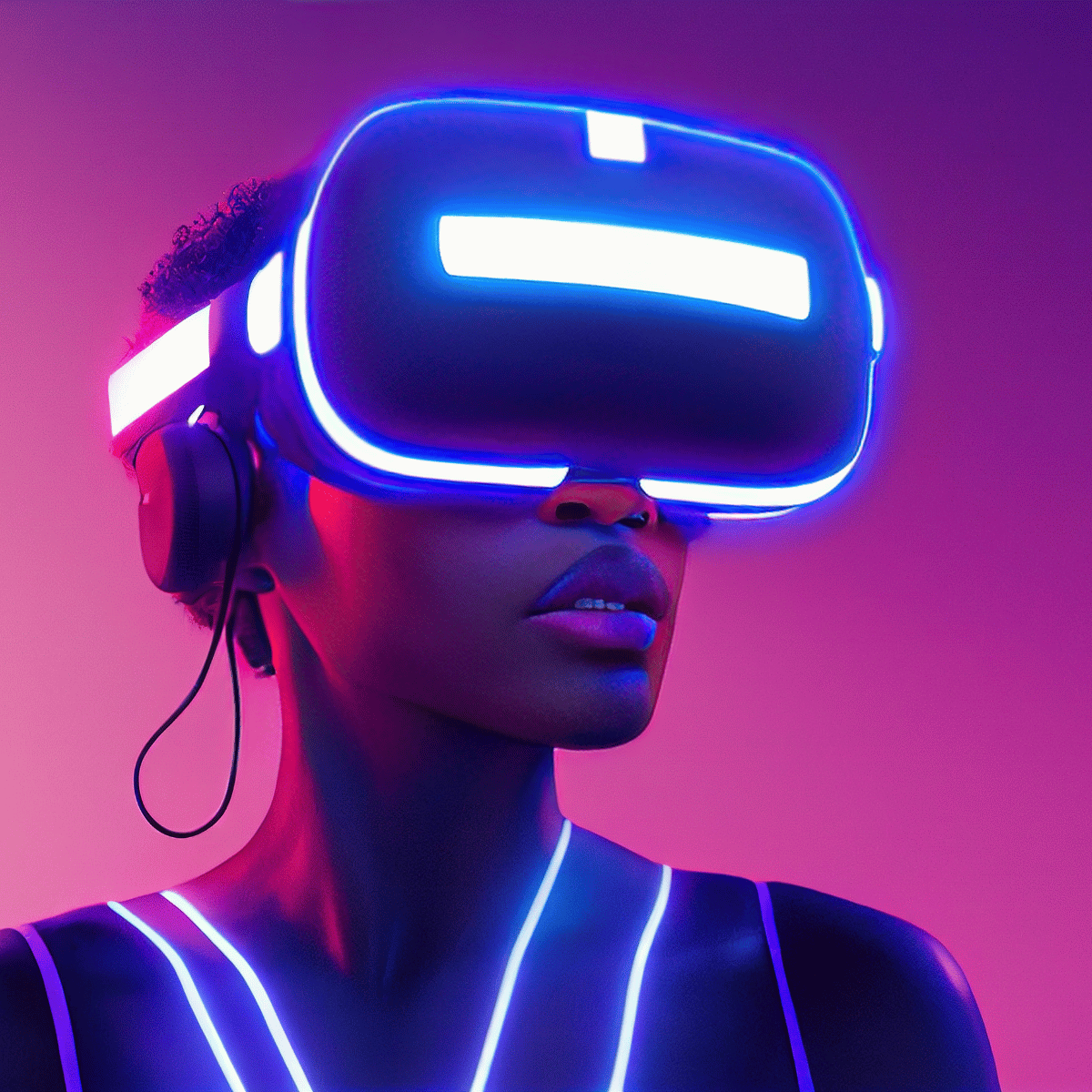
At its core, XR development refers to the creation of immersive digital environments using Virtual Reality (VR), Augmented Reality (AR), and Mixed Reality (MR). However, reducing it to just a combination of technologies would be an oversimplification. In reality, XR development represents a shift in how users interact with digital systems, from clicking and viewing to moving, interacting, and experiencing.
Moreover, industries such as healthcare, education, and manufacturing are increasingly adopting XR development services to solve very practical problems. For example, training medical professionals without risk, onboarding employees faster, or simulating dangerous environments safely.
Therefore, in this guide, we will break down XR development in a way that is not only technically accurate but also practically relevant. More importantly, we will explore how businesses can actually use XR to drive measurable outcomes and how companies like Uverse Digital are helping organizations turn immersive technology into real business value.
What is XR Development?
To understand XR development, it is important to move beyond technical definitions and look at it from a business perspective.
XR development is the process of building immersive systems that allow users to interact with digital environments in real time. These systems are not designed just for viewing information; instead, they are designed for experiencing scenarios, practicing tasks, and making decisions in simulated environments.
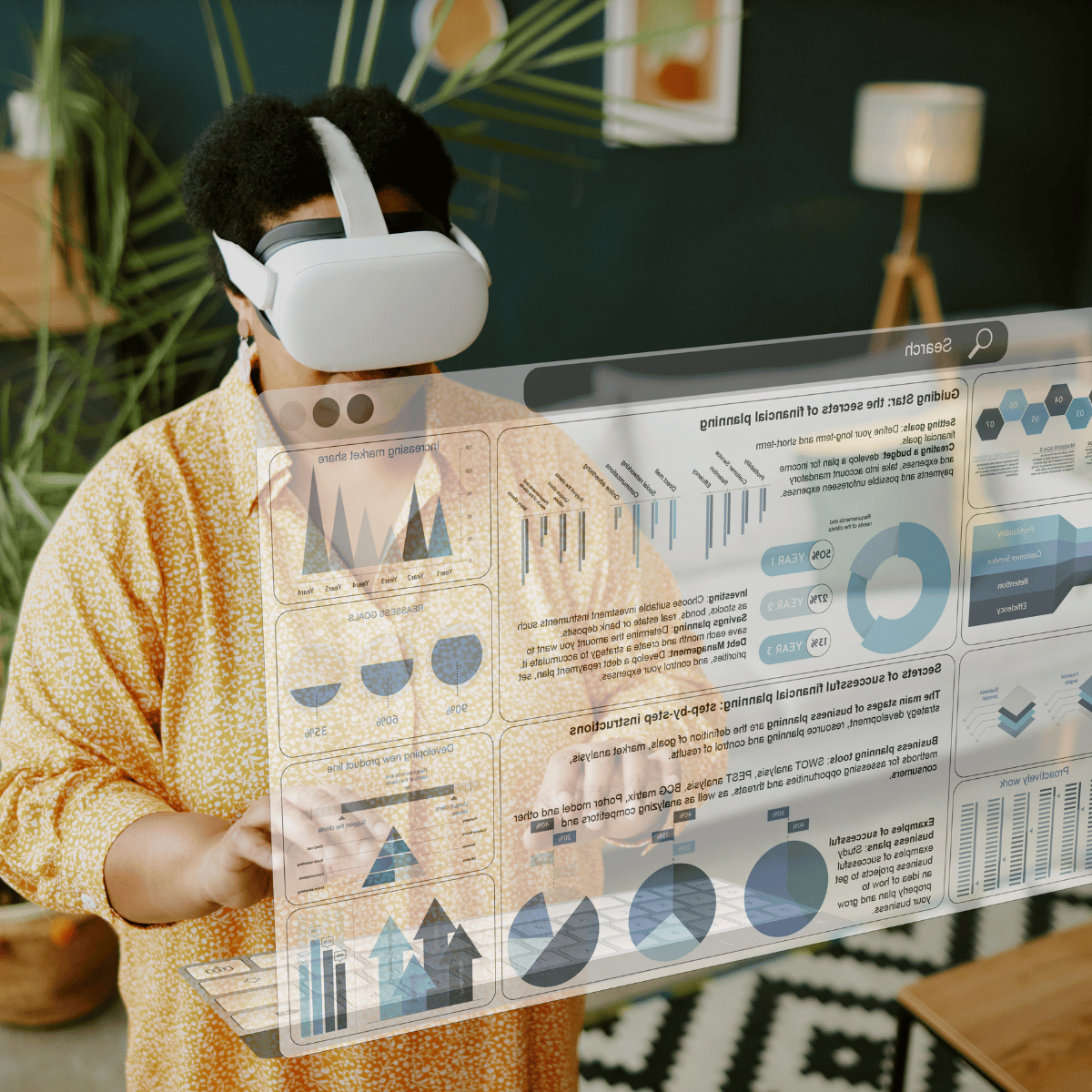
In practical terms, this means a trainee can walk through a virtual factory, a medical student can perform a simulated surgery, or an employee can learn safety protocols without being exposed to actual risk.
XR Development in 2026: More Than Just Technology
In 2026, XR development is no longer limited to innovation labs or experimental projects. Instead, it has become a core business tool used to improve performance, reduce costs, and enhance learning outcomes.
What makes XR powerful is not just immersion, but contextual learning. When users are placed inside a scenario, they learn by doing rather than observing. Consequently, retention improves, errors decrease, and confidence increases.
Why Businesses Are Prioritizing XR Development Services
Businesses are prioritizing XR development services because traditional systems are failing to meet modern demands. Training programs are often expensive, difficult to scale, and inconsistent across regions.
In contrast, XR allows organizations to create standardized training environments that can be deployed globally. Furthermore, these environments can be updated in real time, ensuring that every employee receives the same level of training regardless of location.
How XR Development Works in Real Business Environments
While XR may seem complex, its implementation follows a structured and strategic approach.
The process typically begins with identifying a specific business problem. This could be inefficient onboarding, safety risks, or lack of hands-on training. Once the problem is clearly defined, developers design an immersive environment that replicates real-world conditions.
From a technical standpoint, XR development combines 3D modeling, real-time rendering, and interaction systems. However, what truly defines success is not the technology itself, but how well it aligns with business objectives.
Business Problem Identification and Use Case Mapping
Every successful XR project begins with clarity. Before any design or development starts, businesses must identify what problem they are trying to solve. This could range from reducing training time to improving safety compliance or enhancing customer experience.
Once the objective is defined, the next step is mapping that problem into a practical XR use case. This ensures that the final solution is not just immersive, but also purposeful and results-driven.
Designing Immersive 3D Environments for Real-World Simulation
After defining the use case, developers move into the design phase, where realistic 3D environments are created. These environments are not just visually appealing, they are built to mirror real-world conditions as closely as possible.
For instance, a manufacturing simulation would include accurate machinery layouts, workflows, and potential risk scenarios. This level of realism ensures that users can transfer what they learn directly into real-life situations.
Interaction Design and User Experience in XR Development
A critical part of XR development is how users interact with the environment. Unlike traditional applications, XR systems rely on natural interactions such as movement, gestures, and spatial awareness.
Therefore, developers must carefully design how users:
- Navigate environments
- Interact with objects
- Receive feedback from the system
This ensures the experience feels intuitive rather than overwhelming.
Integration with Enterprise Systems and Workflows
For XR to deliver real business value, it cannot operate in isolation. Instead, it must integrate with existing enterprise systems such as:
- Learning Management Systems (LMS)
- ERP platforms
- Data analytics tools
This allows organizations to track performance, measure outcomes, and continuously improve training programs.
The Role of Spatial Computing in XR
One of the defining aspects of XR development is spatial computing. This allows systems to understand user movement, positioning, and interaction in real time.
As a result, the experience becomes natural rather than mechanical. Users are not clicking buttons, they are moving, observing, and responding, just like they would in real life.
Testing, Optimization, and Performance Scaling
Before deployment, XR systems undergo rigorous testing to ensure they perform smoothly across devices and environments. This includes:
- Performance optimization
- User experience testing
- Bug fixing and interaction refinement
Moreover, as businesses scale, XR solutions must also be optimized for multiple users, locations, and devices, ensuring consistent performance globally.
Deployment Across XR Platforms (VR, AR, and WebXR)
Finally, the XR solution is deployed across relevant platforms. Depending on business needs, this may include:
- VR headsets for immersive training
- AR mobile applications for field support
- Web-based XR for accessibility and scalability
This flexibility ensures that XR development solutions can be tailored to different operational environments.
Why XR Development is Becoming a Business Necessity
The growing demand for XR development solutions is not driven by hype, it is driven by real operational challenges.
Traditional systems struggle with scalability, engagement, and effectiveness. For instance, classroom training requires physical presence, repeated sessions, and consistent supervision. This makes it expensive and difficult to standardize.
In contrast, XR eliminates these limitations. Once a system is developed, it can be deployed globally with minimal additional cost. Moreover, every user experiences the same environment, ensuring consistency across teams.
From Passive Learning to Experiential Learning
One of the biggest shifts introduced by XR is the transition from passive to experiential learning.
Instead of reading instructions, users perform tasks. Instead of watching demonstrations, they participate in scenarios. This not only improves engagement but also significantly increases knowledge retention.
Real-World Applications of XR Development
XR development is already being used across multiple industries, not as an experiment, but as a practical solution to real problems.
In healthcare, XR is used to simulate surgeries and train professionals without risk. In education, it creates immersive classrooms where students can explore complex concepts interactively.
Similarly, in manufacturing, XR enables workers to practice operating machinery or handling emergencies in a safe environment. These applications highlight a key advantage of XR, it allows businesses to simulate reality without real-world consequences.
Education and Immersive Learning through XR
Students can interact with complex subjects through experiential learning, leading to better understanding and retention.
XR Development in Manufacturing and Safety Training
Workers can simulate high-risk scenarios and equipment handling without exposure to real danger.
Enterprise XR Training Solutions Across Industries
Organizations use XR training simulations for onboarding, compliance training, and skill development at scale.
Cost of XR Development in 2026
When businesses evaluate XR development services, cost is often a primary concern. However, it is important to understand that XR should not be viewed as a simple expense.
Instead, it is a strategic investment.
The cost of XR development depends on factors such as complexity, level of interaction, and platform requirements. A basic simulation may require limited resources, while an enterprise-level system involves detailed 3D environments, advanced interaction design, and system integration.
However, what many organizations overlook is the long-term value. By reducing the need for physical training sessions, minimizing errors, and improving efficiency, XR often delivers significant cost savings over time.
Key Factors Affecting XR Development Cost
Cost varies based on project complexity, interactivity, platform (VR/AR/MR), and integration requirements.
Basic vs Enterprise XR Development Projects
Basic solutions are quicker and lower-cost, while enterprise XR systems require deeper customization and scalability.
Platform Impact on XR Development Pricing
Costs differ depending on whether the solution is built for VR headsets, mobile AR, or web-based XR environments.
Long-Term ROI of XR Development
Although initial investment may be higher, XR significantly reduces training costs and improves efficiency over time.
Benefits of XR Development for Businesses
The benefits of XR development go beyond engagement. At a strategic level, it transforms how businesses train, operate, and scale.
Key benefits of XR development:
- Improves learning outcomes by enabling real-world, hands-on experiences instead of passive training
- Reduces operational costs by eliminating the need for physical infrastructure and repeated sessions
- Increases knowledge retention through immersive, experiential learning environments
- Enables global scalability, allowing training programs to be deployed across multiple locations instantly
- Enhances employee performance by providing practical, scenario-based learning
- Minimizes risk by simulating dangerous or complex situations in a safe environment
Quick Insight:
XR development helps businesses train faster, scale smarter, and operate more efficiently, making it a powerful driver of digital transformation in 2026.
Future of XR Development in 2026 and Beyond
Looking ahead, the future of XR development is not just about technological advancement, it is about business survival and competitive positioning.
As artificial intelligence and cloud computing continue to evolve, XR environments are becoming more adaptive, intelligent, and scalable. However, the real shift is not in the technology itself, but in how quickly businesses are adopting it.
Companies are no longer experimenting with XR, they are operationalizing it.
Organizations across healthcare, manufacturing, and enterprise training are already using XR development services to reduce training time, improve performance, and cut operational costs. As a result, businesses that delay adoption are not standing still, they are falling behind competitors who are already optimizing their workforce through immersive systems.
Moreover, remote collaboration is rapidly moving toward immersive environments. Teams are beginning to train, simulate, and interact inside XR systems, eliminating geographical barriers entirely. Consequently, companies relying solely on traditional systems will struggle to match the speed, efficiency, and consistency of XR-enabled organizations.
The gap between XR adopters and non-adopters is widening, and it is happening faster than most businesses realize.
The question is no longer whether XR will impact your industry, it is whether your business will adopt it before or after your competitors gain the advantage.
Why Choose Uverse Digital for XR Development Services
When it comes to implementing XR development solutions, choosing the right partner is critical.
Uverse Digital specializes in building enterprise-grade immersive systems tailored to specific business needs. Instead of offering generic solutions, Uverse focuses on creating experiences that align with real operational challenges.
From XR training solutions to advanced simulation systems, Uverse Digital helps organizations transition from traditional processes to immersive, scalable environments.
Conclusion
XR development represents a fundamental shift in how businesses interact with technology. By enabling immersive, real-time experiences, it allows organizations to improve training, reduce costs, and enhance performance.
As adoption continues to grow in 2026, XR is no longer optional, it is becoming essential. Businesses that understand and implement it effectively will gain a significant competitive advantage.
Businesses that delay adopting XR development services risk falling behind in efficiency, training quality, and innovation. On the other hand, those who invest now are building systems that will define the next decade of digital transformation.
Book a meeting with Uverse Digital and get a custom XR development quote for your business today.
FAQs About XR Development
What is XR development?
XR development is the creation of immersive environments using VR, AR, and MR where users interact with digital scenarios in real time.
What is XR development used for?
It is used for training, simulation, onboarding, and real-world scenario practice across industries like healthcare, education, and manufacturing.
How does XR development work?
It combines 3D environments, real-time engines (Unity/Unreal), and spatial computing to create interactive experiences.
How much does XR development cost?
Costs vary based on complexity and platform, but enterprise XR solutions are long-term ROI investments.
Which industries use XR development?
Healthcare, education, manufacturing, enterprise training, and gaming widely use XR development services.
Why invest in XR development now?
Because businesses using XR are training faster, reducing costs, and outperforming competitors.
Can Uverse Digital build XR solutions?
Yes, Uverse Digital delivers scalable XR development services tailored for enterprise training and simulation.
About the author : Uverse Digital

Uverse Digital helps businesses build high-performance games, XR experiences, mobile and web apps. Creating scalable digital solutions that deliver real business value, with reliable white-label development for agencies.
Have a Project in Mind?
Let’s turn your idea into a high-quality game, XR experience, or app.


Stay Ahead of the Game
Get XR insights, dev tips, and industry updates straight to your inbox
Join our insider list for cutting-edge content on game development, performance optimization, and immersive experiences, curated for industry leaders like you.