
Introduction
XREAL AURA is bringing fresh attention to extended reality (XR) and the possibilities of combining digital content with the physical world. For businesses, developers, and technology agencies, the bigger story goes beyond the glasses themselves. It is about the applications, interactive experiences, and AI-powered tools that developers can create for emerging XR platforms.
As spatial computing evolves, organizations are exploring new ways to train employees, present products, deliver digital services, and engage users. However, turning these opportunities into practical solutions requires more than new hardware. It takes thoughtful application development, intuitive UI/UX design, and a clear understanding of what users need.
In this article, we explore what XREAL AURA is, how it relates to the future of XR development, what businesses could build for emerging platforms, and how to evaluate an XR project before investing in it.
What Is XREAL AURA?
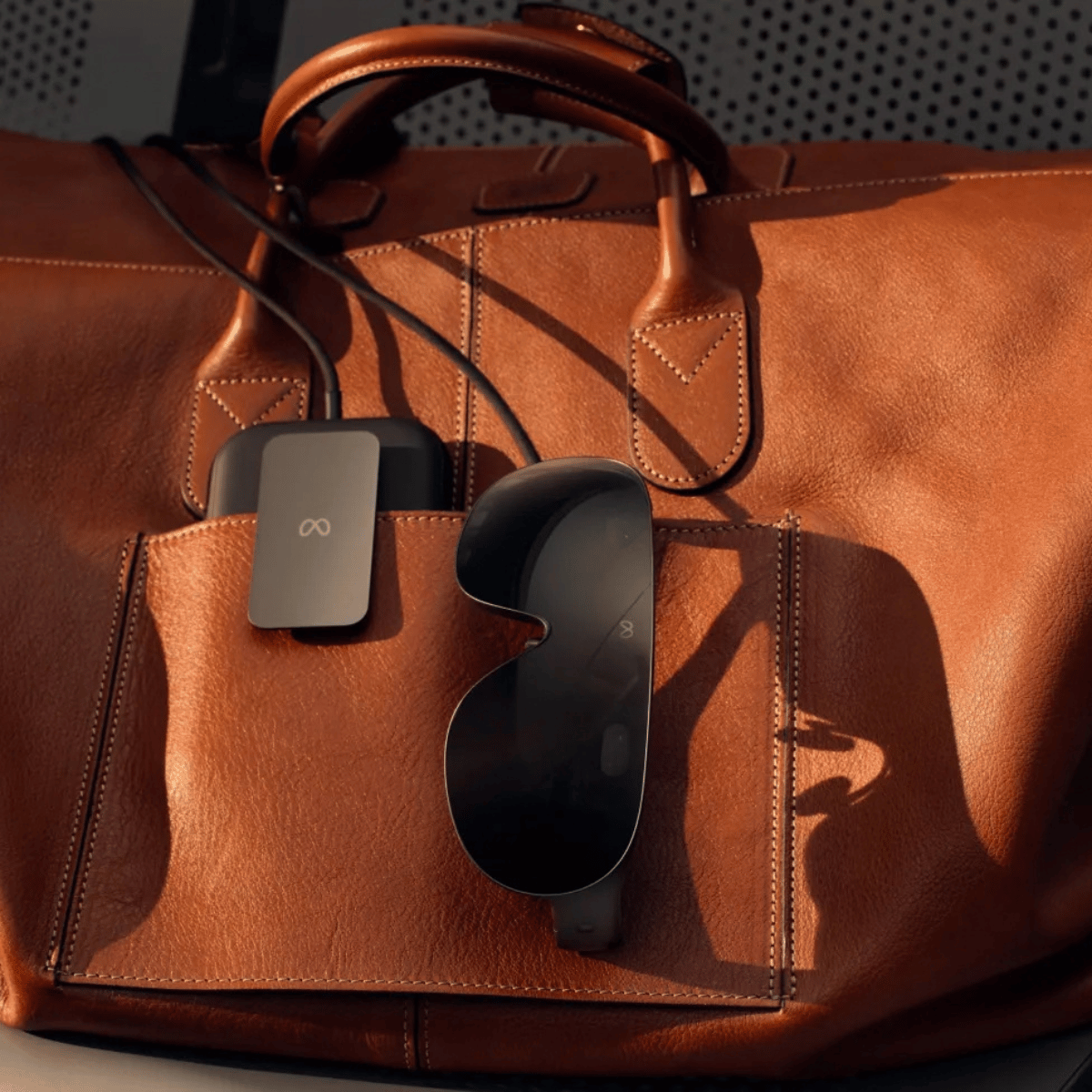
XREAL AURA is an extended reality glasses system associated with Google’s Android XR ecosystem. It combines see-through optics with a separate computing unit, creating a platform for experiences that bring digital content into the user’s view of the physical world.
Unlike conventional VR headsets that typically immerse users in a digitally rendered environment, optical see-through glasses allow users to maintain a view of their surroundings while accessing digital content. This approach creates different possibilities for spatial computing, productivity, and interactive applications.
How Does XREAL AURA Work?
XREAL AURA brings together several technologies to support its XR experience.
- Optical see-through glasses: Allow users to view digital content while maintaining visibility of the physical environment.
- Separate computing puck: Provides computing capabilities without placing all the processing hardware inside the glasses.
- Android XR: Google’s platform for supporting compatible applications and spatial experiences.
- Gemini AI: Google’s AI technology opens possibilities for conversational assistance and AI-powered interactions, depending on the features supported by the device and application.
Together, these technologies highlight how XR hardware and software can work together to create new digital experiences.
How Is XREAL AURA Different From Traditional VR Headsets?
Traditional VR headsets typically create immersive digital environments that occupy most or all of the user’s visual field. Optical see-through glasses take a different approach by allowing users to see their surroundings while viewing digital content.
This distinction matters when choosing hardware for a particular application. Fully immersive VR may suit detailed training simulations, virtual environments, and games. See-through glasses may be more appropriate for experiences where users need to remain aware of their surroundings.
However, the right choice depends on more than the device’s form factor. Display quality, field of view, tracking capabilities, input methods, comfort, and software compatibility all affect the final experience.
Why Does XREAL AURA Matter for XR Development?
XREAL AURA reflects a broader development in computing: digital experiences are expanding beyond conventional screens and fully immersive headsets.
For businesses and software development teams, this shift creates opportunities to rethink how people access information, learn new skills, and interact with digital products.
The Shift Toward Spatial Computing
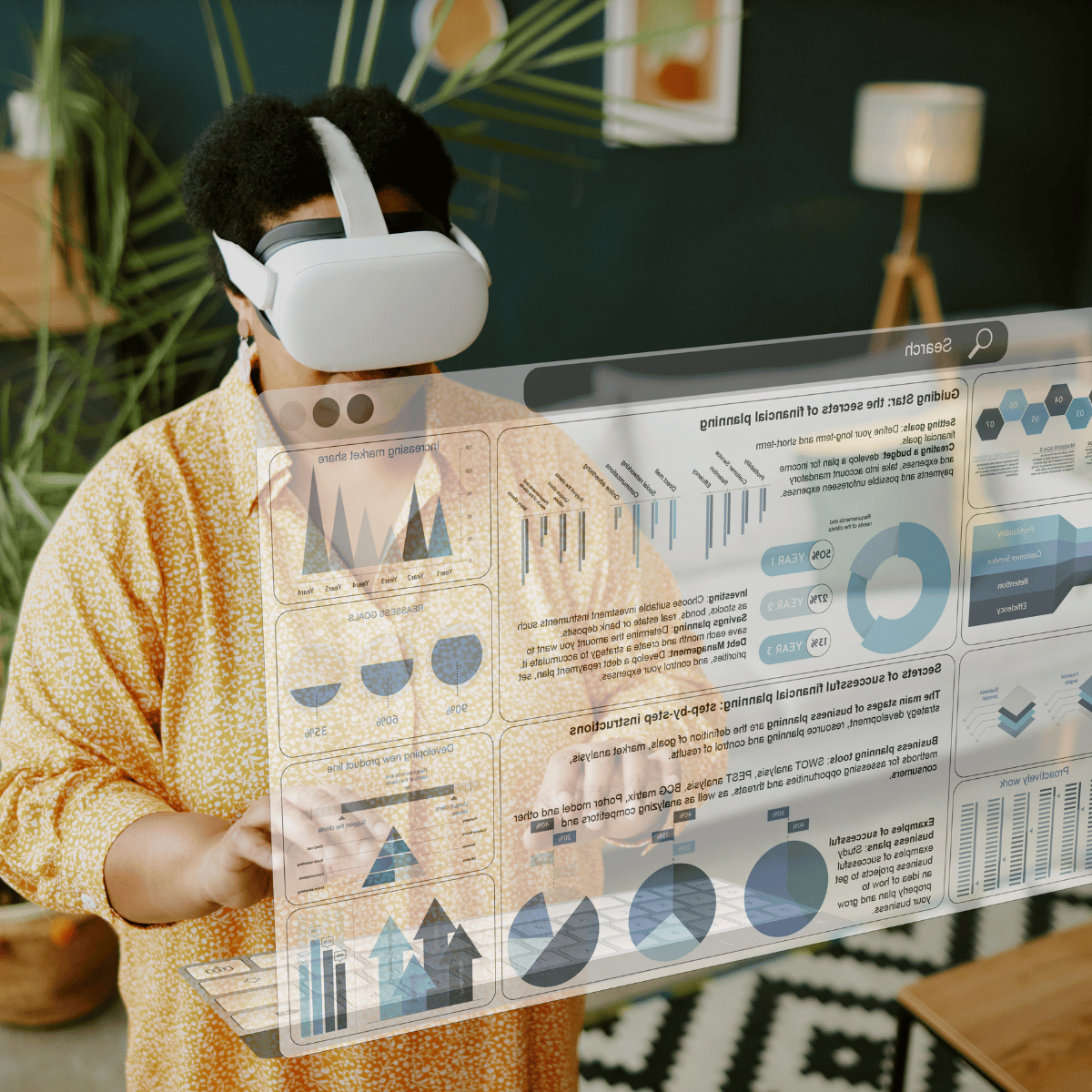
Spatial computing connects digital content with a three-dimensional environment. Instead of interacting exclusively through a flat screen, users can engage with information in ways that relate to their surroundings.
For example, an application could display contextual instructions, position digital objects within a workspace, or help users interact with virtual content while maintaining awareness of the physical environment.
However, effective spatial computing requires careful design. Developers must consider where digital content appears, how users interact with it, and whether the experience genuinely improves the task.
The Growing Role of AI in XR
AI creates additional possibilities for immersive applications. Developers can explore conversational assistance, contextual explanations, and interactive experiences that respond to user instructions.
For example, an educational application could provide additional explanations when learners encounter unfamiliar concepts. A workplace application might offer guided instructions for a specific task.
These are potential use cases rather than guaranteed features of every XREAL AURA application. Their feasibility depends on available APIs, device capabilities, AI integrations, and privacy requirements.
Why Software Development Matters as Much as Hardware
New hardware can attract attention, but useful applications give people a reason to adopt a technology.
Developers must turn technical capabilities into experiences that solve real problems. This involves application development, interface design, performance optimization, 3D content creation, and testing.
Consequently, emerging platforms such as Android XR may create opportunities for development teams that can combine technical expertise with a clear understanding of user needs.
What Can Businesses Build for XREAL AURA and Android XR?
Businesses can explore several applications for emerging XR platforms. The most suitable opportunities depend on their objectives, target audience, and the capabilities of the intended device.
XR Training and Simulation Applications
Training is one of the practical areas where immersive technology can support learning. Organizations can investigate interactive experiences that help employees understand procedures, practice unfamiliar tasks, and follow guided instructions.
For example, a business could explore a training application that presents step-by-step guidance alongside a real-world task. Educational organizations might investigate interactive learning experiences, while industrial companies could consider digital guidance for equipment familiarization.
The implementation must account for the device’s display, tracking, and interaction capabilities. A simulation designed for a fully immersive VR headset will not necessarily transfer directly to see-through glasses.
Businesses exploring these solutions can learn more about XR Training & Simulations and Training XR Simulations.
Spatial Games and Interactive Experiences
Gaming offers another opportunity to explore spatial computing. Developers can investigate experiences that combine virtual objects, environmental awareness, and interactive storytelling.
For instance, a spatial game might place digital objects within a user’s surroundings, while an educational game could combine interactive characters with learning activities.
However, successful development requires more than an interesting concept. Developers must evaluate the platform’s supported interactions, performance requirements, and distribution options.
Experience in Multiplayer Game Development and Game AI Development can be relevant to projects that incorporate connected gameplay or intelligent game mechanics, depending on their requirements.
AI-Powered XR Applications
AI-powered XR applications could make digital experiences more responsive to users’ needs. Potential use cases include contextual guidance, conversational assistance, and interactive educational content.
Consider a field technician who needs help understanding a procedure. An appropriately designed application could present relevant instructions and potentially integrate an AI assistant to answer questions.
Developers must consider response accuracy, latency, data privacy, and the limitations of the device. AI should serve a clear purpose rather than simply add complexity to an application.
3D Product Visualization and Digital Experiences
Businesses can also explore XR for presenting products, explaining complex concepts, and helping audiences interact with three-dimensional content.
For example, a company could create a product visualization that lets prospective customers explore a design from different perspectives. A digital agency might develop an interactive demonstration for a client seeking a more engaging way to present its services.
These experiences depend on suitable 3D assets, thoughtful interaction design, and the device’s visualization capabilities. Uverse Digital’s 3D Modeling & Animation service is relevant to businesses exploring these types of experiences.
What Should Developers Consider Before Building for XREAL AURA?
Before investing in an XR application, development teams should evaluate platform requirements, technical feasibility, and the experience they want to deliver.
Platform Compatibility and Development Tools
Developers should understand the Android XR environment and confirm which capabilities are supported by their intended device.
Important considerations include supported APIs, input methods, rendering requirements, development tools, and distribution options. Unity developers should verify compatible software versions, packages, and platform features before beginning implementation.
Existing XR development experience can provide a useful foundation. However, an application built for another headset or platform may require adjustments, so compatibility should never be assumed.
UI/UX Design for Spatial Interfaces
Spatial interfaces introduce design challenges that do not always appear in conventional mobile and desktop applications.
Digital content must be readable, appropriately positioned, and easy to interact with. Designers should avoid cluttering the user’s field of view and consider how people move, focus their attention, and switch between digital content and their physical surroundings.
This is where UI/UX Design becomes particularly important. An intuitive interface helps users understand an application without unnecessary effort, while poor interaction design can undermine even technically impressive software.
Performance, Testing, and User Privacy
XR applications require careful testing because performance issues and awkward interactions can quickly affect usability.
Development teams should evaluate responsiveness, visual stability, resource usage, and real-world usability on the intended hardware. They should also review permissions, tracking-related data, and any information collected through connected AI services.
Before committing to a full build, make sure you have:
- Defined the target users and business problem.
- Verified device and platform compatibility.
- Selected appropriate development tools.
- Planned the interface and interaction model.
- Identified performance, testing, and privacy requirements.
How Can Businesses Prepare for the Next Wave of XR?
Businesses do not need to invest in a large XR project immediately. A focused concept can help establish whether immersive technology is worth pursuing.
Start With a Clear User Problem
Identify what users struggle with today. Is information difficult to access during a task? Would interactive 3D content explain a product more effectively? Could immersive practice improve a training program?
These questions help determine whether XR offers a meaningful advantage over a conventional website, mobile application, or training solution.
Validate the Concept Before Scaling
Once the use case is clear, define the minimum experience needed to test the idea. Assess technical feasibility, prototype the main interactions, and gather feedback from representative users.
If XREAL AURA is the intended target, verify that the required capabilities are available and test the concept on the actual device. Evaluate usability and practical value before expanding the scope.
This approach helps businesses make informed decisions about development costs, technical constraints, and potential returns.
How Uverse Digital Can Help With XR Development
Exploring a new XR platform requires more than understanding the hardware. Businesses also need a development approach that connects technical requirements with useful, engaging experiences.
Uverse Digital works across immersive technology and interactive digital experiences, helping businesses and agencies explore ideas in XR, game development, AI, and 3D content.
Its XR Training & Simulations services are relevant to organizations investigating immersive learning and guided training experiences. For interactive projects, Multiplayer Game Development and Game AI Development may support suitable gaming concepts, depending on the technical requirements.
Meanwhile, UI/UX Design and 3D Modeling & Animation can help teams create intuitive interfaces and the visual assets needed for immersive applications.
For agencies that need additional development capacity, Uverse can also discuss potential white-label development arrangements.
XREAL AURA is one example of how the XR landscape is evolving. However, the right development decision starts with the intended users, business objectives, and the actual capabilities of the target platform.
Planning an XR application or exploring a new immersive product? Contact Uverse Digital to discuss your concept, technical requirements, and development options.
Frequently Asked Questions
What Is XREAL AURA?
XREAL AURA is an XR glasses system that combines see-through optics with a separate computing unit. It is associated with Google’s Android XR ecosystem, which provides a foundation for supported spatial applications and immersive experiences.
How Is XREAL AURA Different From a VR Headset?
XREAL AURA uses an optical see-through glasses design that allows users to maintain a view of their physical surroundings while viewing digital content. Conventional VR headsets generally create a more enclosed digital environment. The best choice depends on the intended application.
Can Developers Build Apps for XREAL AURA?
Developers can explore application development for the Android XR ecosystem, subject to the device’s supported tools and capabilities. Unity may be relevant for suitable projects, but developers should verify current compatibility, supported features, and deployment requirements before beginning development.
What Can Businesses Use XR Applications For?
Businesses can explore XR for employee training, interactive product demonstrations, spatial productivity, education, and immersive entertainment. The best use case depends on user needs, available hardware, and whether XR offers a clear advantage over conventional software.
Will Existing Unity XR Applications Work on XREAL AURA?
Not necessarily. Compatibility depends on the application’s architecture, supported APIs, interaction methods, rendering approach, and device requirements. Existing projects may need adjustments and device-specific testing before they can deliver a reliable experience.
How Can a Business Get Started With XR Application Development?
Start by identifying a specific business problem, researching suitable devices, and defining the experience users need. Next, assess technical feasibility, develop a focused prototype, and test it with real users before committing to a larger rollout.
About the author : Sania Ejaz

Have a Project in Mind?
Let’s turn your idea into a high-quality game, XR experience, or app.

Stay Ahead of the Game
Get XR insights, dev tips, and industry updates straight to your inbox
Join our insider list for cutting-edge content on game development, performance optimization, and immersive experiences, curated for industry leaders like you.