
Introduction
Manufacturing XR training is helping UK manufacturers fight two costly problems: errors and unplanned downtime. Machinery keeps growing more complex, and skilled labour is harder to retain. Traditional classroom training and shadowing struggle to keep pace. Immersive technology offers a practical alternative. Employees can practise real procedures safely and repeatedly, before they ever touch live equipment.
At Uverse Digital, we build VR, AR, and MR training solutions for manufacturing environments. This article explains why errors and downtime cost UK manufacturers more than most realise. It also covers how manufacturing XR training tackles both problems, and what a well-built programme actually looks like.
|
Blog summary Errors and downtime remain two of the biggest hidden costs in UK manufacturing. Manufacturing XR training reduces both by letting employees rehearse machinery operation, maintenance, and safety procedures in realistic, repeatable virtual environments. This article covers the cost of traditional training and how VR, AR, and MR each cut mistakes and downtime. It also covers what an effective XR training programme includes, and how to build a business case for adopting it. |
Why Errors and Downtime Are Costing Manufacturers More Than They Realise
Every manufacturer knows that machinery breaks down and mistakes happen. Fewer recognise how much of that cost traces back to how staff were trained in the first place.
The Hidden Cost of Traditional Training Methods
Classroom sessions and one-to-one shadowing remain the default training approach across much of UK manufacturing. Both carry costs that rarely appear on a training budget line. Shadowing pulls an experienced operator away from productive work for hours or days at a time. Classroom sessions teach theory, but they skip the muscle memory that only comes from hands-on repetition. New starters often make their first real mistakes on the production line instead of in a controlled setting.
There is also a knowledge transfer problem. When an experienced operator retires or moves on, their practical know-how often leaves with them. No one wrote it down or made it repeatable. New employees end up learning by trial and error, and errors in manufacturing rarely come cheap.
How Errors and Downtime Compound Across a Factory Floor
A single mistake on a production line rarely stays isolated. A mis-set machine parameter can produce a batch of defective parts before anyone notices. An improperly executed maintenance step can trigger unplanned downtime hours later, well after the technician has moved on. Multiply this across shifts, sites, and new starters, and the true cost of undertrained staff adds up fast, in scrapped materials, missed deadlines, and lost production time.
Manufacturing XR training closes exactly this gap. It gives employees a realistic space to build competence before those mistakes happen on the real production line.
Regulatory pressure adds a further layer to the problem. Manufacturers across food, chemical, automotive, and aerospace sectors operate under strict safety and quality standards. Training gaps that lead to compliance failures can cost far more than the original error, once inspections, corrective action plans, and reputational damage enter the picture. A training method that shifts across shifts and sites makes it harder to prove that every employee met the required standard, and auditors ask for that proof more often now.
How Manufacturing XR Training Reduces Errors on the Factory Floor
Immersive training does more than digitise a manual. It gives employees an environment where mistakes carry no real cost, and that changes how confidently and accurately they perform once they are on the job.
Practising High-Risk Procedures Without Real-World Risk
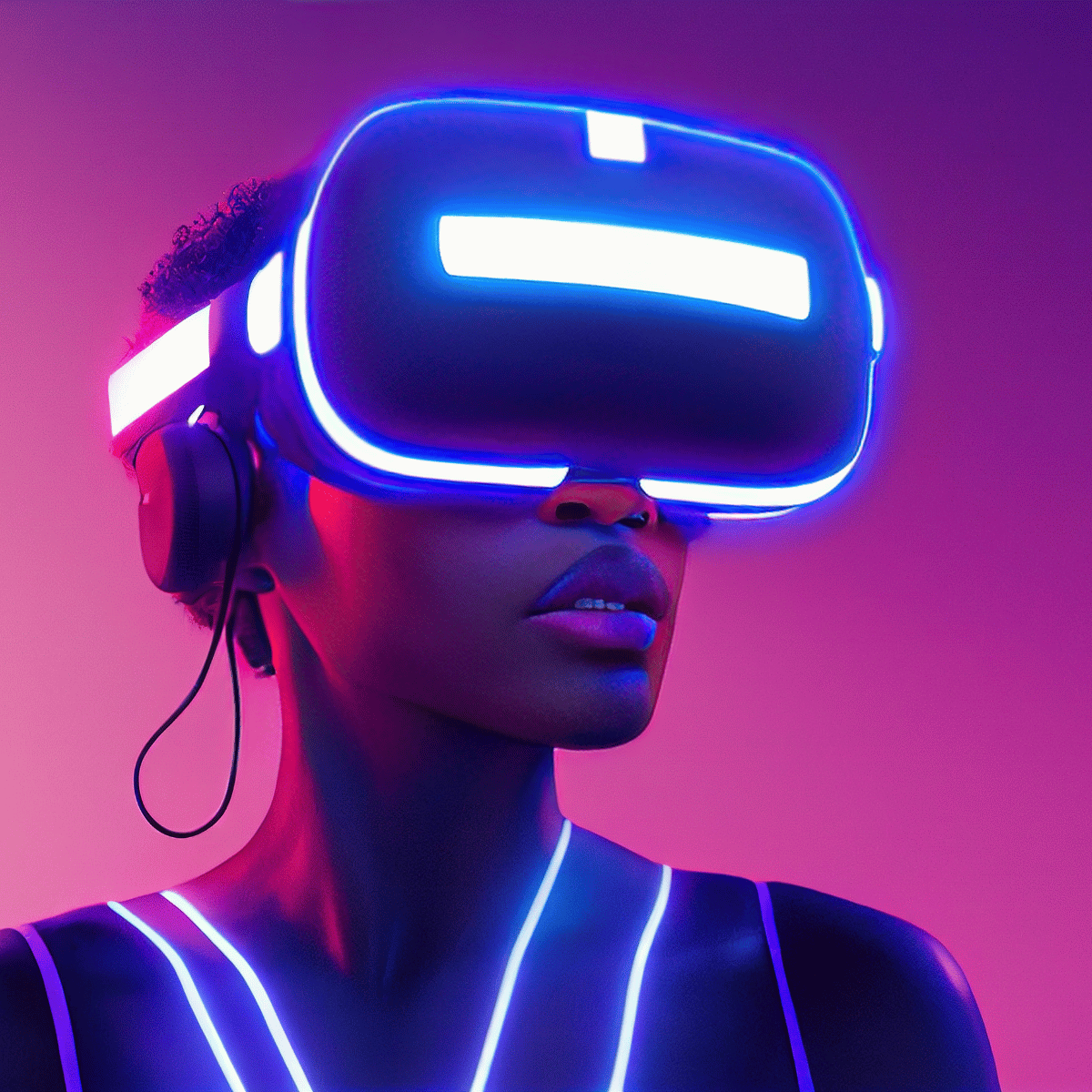
VR places trainees inside a fully simulated version of their actual working environment. That might be a factory floor they have never worked on, a hazardous processing area, or a piece of equipment too expensive to risk during training. Employees can practise machinery operation, emergency response, and safety procedures as many times as needed. No one gets hurt, no equipment gets damaged, and production never stops. Repetition in a risk-free setting builds the muscle memory that shadowing alone cannot provide.
AR-Guided Instructions for Real-Time Error Prevention
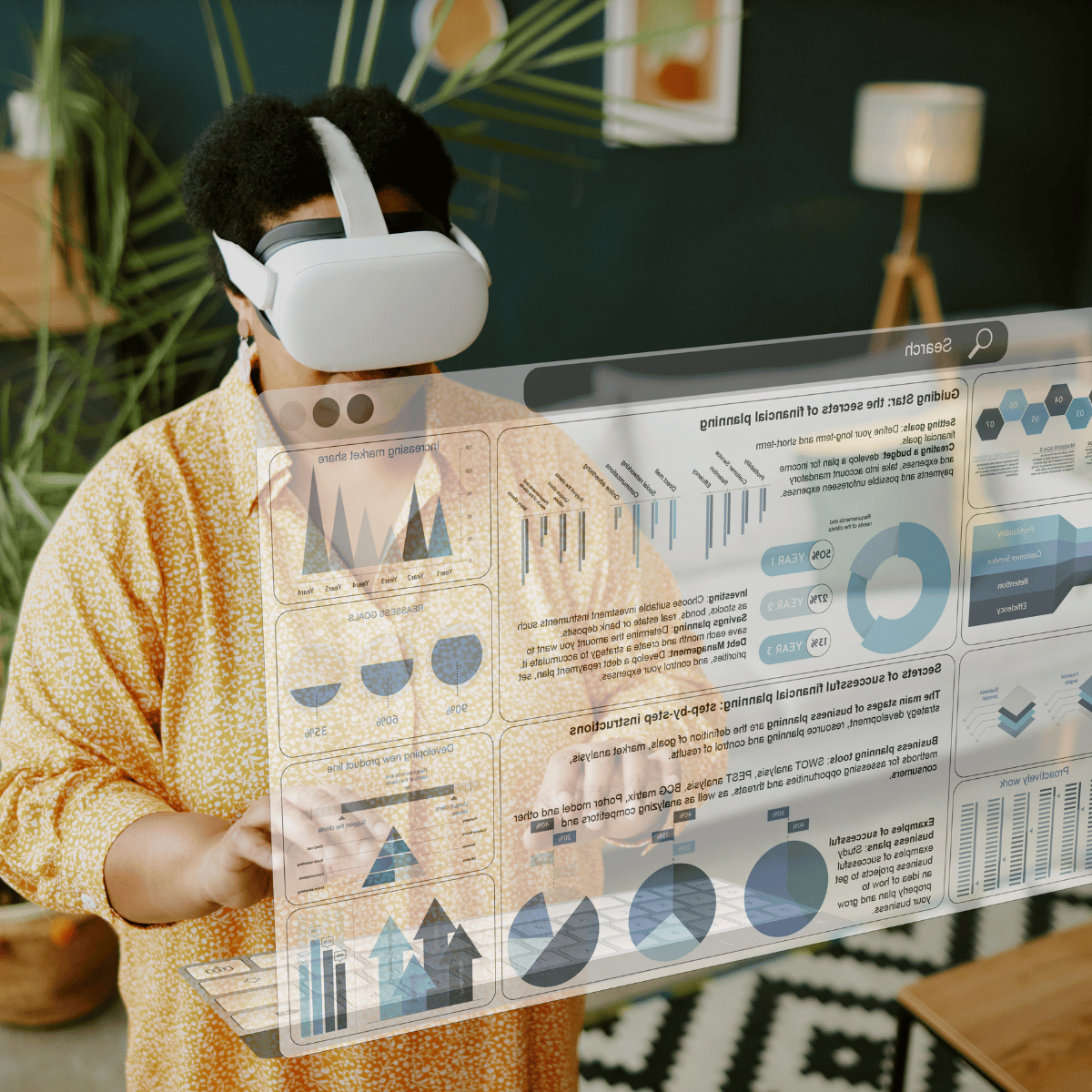
VR suits full-immersion rehearsal. Augmented reality plays a different role once employees are already on the job. AR overlays real-time digital instructions and diagnostics directly onto physical equipment. It guides a worker step by step through an assembly, inspection, or maintenance task as they perform it. Workers no longer rely on memory or a printed manual. The correct next step appears exactly where and when they need it, which sharply cuts the small procedural errors that add up to costly rework.
|
What does AR-guided training actually reduce? Industry research links AR-assisted manufacturing to meaningfully fewer assembly and inspection errors, plus faster task completion. Instructions appear directly on the equipment instead of in a separate manual or screen, so workers make fewer mistakes and finish tasks faster. |
Cutting Downtime With Immersive Maintenance and Operations Training
Errors are only half the picture. Downtime is the other major cost centre in manufacturing, and much of it links directly to how well-prepared a team is before something goes wrong.
Faster Onboarding for New Machinery and Processes
Whenever a manufacturer introduces new equipment or updates a process, output typically slows and error rates climb during the learning curve. Manufacturing XR training compresses that curve. New starters and existing staff can rehearse operating and maintaining new machinery in a virtual replica before it even arrives on site. The transition to live production causes far less disruption than training that only starts once the equipment lands.
Repeatable Practice Without Pulling Equipment Offline
Traditional maintenance training often takes real machinery out of service, which is expensive in its own right. XR removes that constraint entirely. Teams can rehearse maintenance procedures, fault diagnosis, and repair sequences on a 3D simulation of the equipment as many times as they like, while production keeps running. This matters most for infrequent but critical procedures, the kind of task a technician might only perform once or twice a year. Practice in a simulated environment keeps those skills sharp without touching the live production schedule.
|
Why does repeatable XR practice reduce downtime? Trainees can rehearse rare or complex maintenance procedures as often as they need, without taking equipment offline. When a real fault happens, the team has already practised the exact sequence, which cuts diagnosis and repair time when it matters most. |
What Effective Manufacturing XR Training Looks Like
Manufacturers don’t build every immersive training programme the same way. Choosing the right mix of VR, AR, and MR depends on what a manufacturer actually needs to solve.
VR for Full-Immersion Procedure Practice
Virtual reality works best for complete immersion. Trainees rehearse machinery operation, safety procedures, or emergency response in an environment that fully replaces their surroundings. This suits high-risk scenarios, unfamiliar sites, or equipment that would be impractical or unsafe to use for training.
AR for On-the-Job Real-Time Guidance
Augmented reality suits tasks performed on real equipment, where the trainee needs guidance layered onto the physical world rather than a fully digital one. It supports assembly, quality inspection, and maintenance tasks with real-time visual instructions.
MR for Blending Real Equipment With Digital Overlays
Mixed reality sits between the two. It combines physical equipment with interactive digital content. MR works particularly well for collaborative training scenarios, where a trainee interacts with real machinery while digital elements provide guidance, feedback, or simulated fault conditions.
Safety Training as a Compliance and Risk Reduction Tool
Safety training deserves its own mention, since it sits at the centre of most manufacturing XR programmes. Employees can practise hazard recognition, emergency shutdown procedures, and evacuation routes in a realistic virtual replica of their actual site. No one gets exposed to real risk during the practice. This matters for high-hazard environments especially, where a mistake during real-world training could cause injury.
XR safety training also creates a clear audit trail. Every session logs who trained, on what scenario, and how they performed. That record supports compliance reporting and makes it far easier to show inspectors that staff met the required standard, rather than relying on a signed attendance sheet.
Uverse Digital builds its Manufacturing XR Training service around this exact mix. We combine VR, AR, MR, and 3D simulation to match the training method to the task. This work draws on our broader VR/MR/AR development capability, adapted specifically for manufacturing environments, equipment, and safety requirements.
- VR Training: Practise machinery, processes, and safety procedures
- AR Training: Get real-time guidance on equipment and tasks
- MR Training: Combine real equipment with digital content
- Safety Training: Practise hazards and emergency procedures safely
- Maintenance Training: Learn to operate and maintain machinery
- 3D Simulations: Experience realistic equipment and factory environments
- Training Assessments: Test skills through practical scenarios
Building a Business Case for XR Training in Manufacturing
Adopting manufacturing XR training is ultimately a cost decision. The strongest business case comes from measuring it against the errors and downtime it aims to prevent.
Measuring ROI: Error Rates, Downtime, Retention
Before rolling out a programme, establish a baseline. Track current error rates, average downtime per incident, time to competency for new starters, and how well staff retain safety procedures over time. These are the same metrics that improve most once teams introduce immersive training. They give L&D and operations leads a concrete way to demonstrate value, rather than relying on anecdotal feedback.
For a broader look at how enterprise XR training programmes get structured and evaluated, see our article on XR training simulations for enterprise learning and development. It covers the buyer-side considerations in more depth.
Training assessments built directly into the XR programme make this measurement far more reliable than manager sign-off or self-reported confidence. Every trainee performs the same scenario under the same conditions, so teams can compare performance across shifts, sites, and cohorts in a way traditional training rarely allows. This consistency often makes the business case easiest to defend internally, since standardised, repeatable data backs the results, rather than anecdotal feedback from individual trainers.
Getting Started Without Disrupting Production
Manufacturers can introduce manufacturing XR training without interrupting existing operations, which is one of its most practical advantages. A pilot programme works best when it targets a single high-risk procedure or a piece of equipment prone to costly errors. That focus demonstrates value fast, before you expand to a full training curriculum. Because the training environment is virtual, teams can build and refine it alongside day-to-day production, with no need to take real machinery offline during development.
What to Look For When Scoping a Programme
Manufacturers considering XR training for the first time get the best results when they scope the pilot narrowly. Trying to digitise an entire training curriculum at once rarely works well. Start with a few simple questions. Which procedure currently causes the most errors or the most costly downtime? Can you safely and practically film or model that procedure? How will you measure success once the pilot wraps up? A development partner who works through these questions before building anything is usually a stronger sign of a well-run programme than one who jumps straight to production. It’s also worth asking how the team will keep the training environment up to date as equipment or processes change. A simulation that falls out of step with the real factory floor quickly loses much of its value.
Final Thoughts
Errors and downtime rarely come down to carelessness. Far more often, the real cause is how well a team prepared before the moment something went wrong. Manufacturing XR training closes that gap directly. It gives employees the repeated, realistic practice that traditional methods cannot offer without pulling equipment or experienced staff away from production.
If your factory floor deals with avoidable errors or costly downtime linked to training gaps, book a free consultation with Uverse Digital. Let’s discuss how we could build a manufacturing XR training programme around your specific equipment and processes.
FAQs
What is manufacturing XR training?
Manufacturing XR training uses virtual reality, augmented reality, and mixed reality to let employees practise machinery operation, maintenance, and safety procedures. It happens in a realistic, risk-free digital environment, rather than through classroom instruction or shadowing alone.
How does XR training reduce errors on the factory floor?
It gives employees repeated, low-risk practice at the exact procedures they will perform on the job. Whether through full VR simulation or AR instructions overlaid on real equipment, this practice builds the accuracy and confidence that cut mistakes once they are working live.
Can XR training reduce manufacturing downtime?
Yes. It lets teams rehearse maintenance and fault diagnosis procedures without taking equipment offline. It also shortens the learning curve when manufacturers introduce new machinery or processes. Together, these cut both planned and unplanned downtime linked to inexperience.
Is manufacturing XR training suitable for smaller manufacturers?
Yes. A pilot programme targeting a single high-risk procedure or piece of equipment gives manufacturers of any size a practical starting point. It doesn’t require disrupting existing production to build or test.
What devices are used for manufacturing XR training?
Programmes typically run on VR headsets for full-immersion scenarios. AR-enabled devices, including smartphones, tablets, or headsets, deliver real-time guidance layered onto physical equipment.
About the author : Uverse Digital

Uverse Digital helps businesses build high-performance games, XR experiences, mobile and web apps. Creating scalable digital solutions that deliver real business value, with reliable white-label development for agencies.
- Introduction
- Why Errors and Downtime Are Costing Manufacturers More Than They Realise
- How Manufacturing XR Training Reduces Errors on the Factory Floor
- Cutting Downtime With Immersive Maintenance and Operations Training
- What Effective Manufacturing XR Training Looks Like
- Building a Business Case for XR Training in Manufacturing
- Final Thoughts
- FAQs
Have a Project in Mind?
Let’s turn your idea into a high-quality game, XR experience, or app.

Stay Ahead of the Game
Get XR insights, dev tips, and industry updates straight to your inbox
Join our insider list for cutting-edge content on game development, performance optimization, and immersive experiences, curated for industry leaders like you.